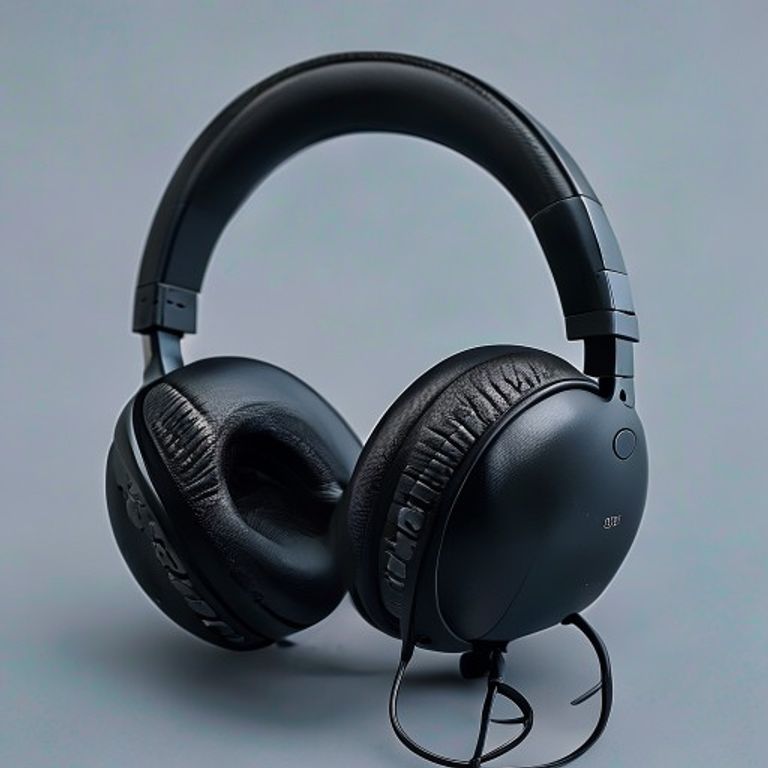



OpenAI releases new voice models for more natural live conversations
OpenAI, a leading artificial intelligence research organization, has announced the release of new voice models that enable more natural and interactive live conversations. This breakthrough technology allows for real-time conversations, making it a significant advancement in the field of AI.
The new voice models, developed by OpenAI, have the ability to speak and listen at the same time, a key feature for live translation and other applications. This capability is made possible by the use of advanced neural networks and machine learning algorithms, which enable the models to process and respond to audio inputs in real-time.
How the new voice models work
The new voice models use a combination of natural language processing (NLP) and speech recognition technologies to enable live conversations. The models are trained on large datasets of human speech, which allows them to learn the patterns and nuances of human language. This training enables the models to generate human-like speech and respond to user inputs in a natural and intuitive way.
The models also use advanced signal processing techniques to filter out background noise and other distractions, allowing for clearer and more accurate communication. This is particularly important in live translation applications, where accuracy and clarity are crucial.
Applications of the new voice models
The new voice models have a wide range of potential applications, from live translation and transcription to customer service and virtual assistance. The ability to speak and listen at the same time makes the models particularly well-suited for real-time applications, such as:
- Live translation: The new voice models can be used to translate languages in real-time, allowing people who speak different languages to communicate more easily.
- Customer service: The models can be used to power customer service chatbots and virtual assistants, providing customers with more natural and interactive support.
- Virtual meetings: The models can be used to facilitate virtual meetings and conferences, allowing participants to communicate more effectively and efficiently.
Benefits of the new voice models
The new voice models offer a number of benefits over traditional voice technologies, including:
- More natural conversations: The models enable more natural and interactive conversations, making it feel like you’re talking to a real person.
- Improved accuracy: The models use advanced signal processing techniques to filter out background noise and other distractions, allowing for clearer and more accurate communication.
- Increased efficiency: The models can process and respond to audio inputs in real-time, making them ideal for live translation and other applications where speed is important.
Future developments
OpenAI is continuing to develop and improve its voice models, with a focus on increasing their accuracy, naturalness, and versatility. The company is also exploring new applications for the technology, including:
- Multi-language support: OpenAI is working to expand the models to support multiple languages, making them more useful for global communication.
- Improved emotional intelligence: The company is working to develop models that can understand and respond to emotions, making them more effective in customer service and other applications.
- Integration with other technologies: OpenAI is exploring ways to integrate its voice models with other technologies, such as computer vision and robotics, to create more sophisticated and interactive systems.
Conclusion
OpenAI’s new voice models represent a significant breakthrough in the field of artificial intelligence, enabling more natural and interactive live conversations. The models have a wide range of potential applications, from live translation and customer service to virtual meetings and virtual assistance. As the technology continues to develop and improve, we can expect to see more sophisticated and versatile voice models that can be used in a variety of contexts.
The release of these new voice models is a testament to the power and potential of artificial intelligence, and demonstrates the rapid progress being made in this field. As AI continues to evolve and improve, we can expect to see even more exciting developments and innovations in the years to come.