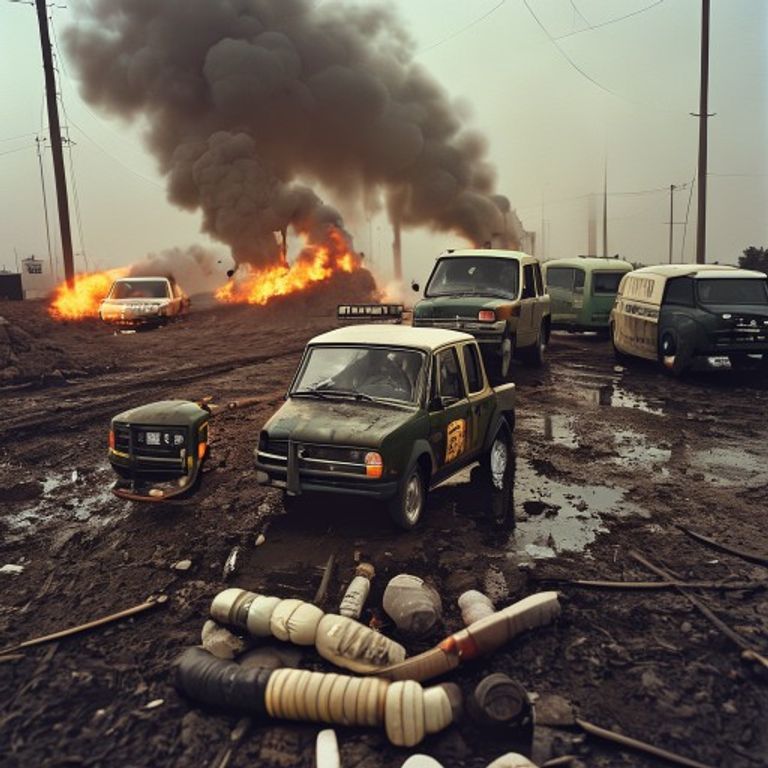







How ‘fire-generated thunderstorms’ make wildfires more deadly
Wildfires have been a part of the natural landscape for centuries, but the severity and frequency of these events have increased significantly in recent years. One of the most alarming aspects of modern wildfires is their ability to create “fire-generated thunderstorms,” also known as pyrocumulonimbus clouds. These clouds are so powerful that NASA has dubbed them the “fire-breathing dragon of clouds.” In this article, we will explore how fire-generated thunderstorms make wildfires more deadly and examine the science behind these extraordinary weather phenomena.
What are pyrocumulonimbus clouds?
Pyrocumulonimbus clouds are a type of cloud that forms when a wildfire is intense enough to produce a massive amount of heat and smoke. This heat and smoke can rise into the atmosphere, creating a towering cloud that can reach heights of over 10,000 meters (33,000 feet). Pyrocumulonimbus clouds are similar to cumulonimbus clouds, which are associated with severe thunderstorms, but they are much more intense and are fueled by the heat from the wildfire rather than traditional storm systems.
How do pyrocumulonimbus clouds form?
The formation of pyrocumulonimbus clouds is a complex process that involves several factors. When a wildfire is burning intensely, it produces a large amount of heat and smoke that rises into the atmosphere. As the smoke rises, it cools, and the water vapor in the smoke condenses, forming a cloud. If the wildfire is intense enough, the cloud can grow tall enough to reach the upper levels of the atmosphere, where it can tap into the jet stream and other high-altitude wind patterns.
Once the cloud has formed, it can begin to interact with the surrounding atmosphere, creating a self-sustaining system that can produce a wide range of severe weather phenomena, including lightning, hail, and even tornadoes. The cloud can also produce a significant amount of rain, but this rain is often limited to the immediate area around the wildfire, and can actually make the fire worse by creating more fuel for the fire to burn.
How do fire-generated thunderstorms make wildfires more deadly?
Fire-generated thunderstorms can make wildfires more deadly in several ways. First, the lightning produced by these storms can ignite new fires, spreading the wildfire and making it more difficult to contain. Second, the strong winds produced by the storm can spread embers and sparks from the fire, igniting new fires and making it harder for firefighters to control the blaze.
Third, the heavy rain produced by the storm can make the fire worse by creating more fuel for the fire to burn. When the rain falls on a wildfire, it can create a “fire whirl,” a spinning column of flame that can be up to 10 times more intense than a regular wildfire. Fire whirls are extremely dangerous and can jump firebreaks, making it difficult for firefighters to contain the blaze.
Finally, fire-generated thunderstorms can produce a wide range of other hazards, including flash flooding, landslides, and poor air quality. The smoke and ash produced by the wildfire can also have a significant impact on local air quality, making it difficult for people to breathe and exacerbating existing health conditions.
The impact of pyrocumulonimbus clouds on firefighters
Fire-generated thunderstorms can have a significant impact on firefighters, making it more difficult for them to contain the blaze and putting them at greater risk of injury or death. The strong winds and lightning produced by these storms can make it difficult for firefighters to approach the fire, and the heavy rain can make it harder for them to see and breathe.
In addition, the fire whirls produced by fire-generated thunderstorms can be extremely dangerous, as they can jump firebreaks and ignite new fires. Firefighters may also be at risk of being trapped by the fire, as the storm can create a “fire tunnel” that can funnel the flames and heat towards them.
Case studies: notable examples of fire-generated thunderstorms
There have been several notable examples of fire-generated thunderstorms in recent years. One of the most significant was the 2019-2020 Australian bushfire season, which saw the creation of several large pyrocumulonimbus clouds. These clouds produced a wide range of severe weather phenomena, including lightning, hail, and tornadoes, and made the fires more difficult to contain.
Another notable example was the 2018 Carr Fire in California, which produced a massive pyrocumulonimbus cloud that reached heights of over 10,000 meters (33,000 feet). The cloud produced a significant amount of lightning, which ignited new fires and made it more difficult for firefighters to contain the blaze.
What can be done to mitigate the impact of fire-generated thunderstorms?
There are several steps that can be taken to mitigate the impact of fire-generated thunderstorms. First, firefighters can use advanced weather forecasting tools to predict when and where these storms are likely to form. This can help them to prepare for the worst and take steps to contain the fire before the storm hits.
Second, firefighters can use specialized equipment, such as fire-resistant shelters and breathing apparatus, to protect themselves from the hazards produced by the storm. They can also use advanced communication systems to stay in touch with each other and with command centers, even in the midst of a severe storm.
Third, communities can take steps to prepare for wildfires and fire-generated thunderstorms, such as creating defensible space around homes and businesses, and having evacuation plans in place. They can also work with local authorities to develop emergency response plans and conduct regular drills and training exercises.
Conclusion
Fire-generated thunderstorms are a powerful and deadly phenomenon that can make wildfires more intense and difficult to contain. These storms can produce a wide range of severe weather phenomena, including lightning, hail, and tornadoes, and can have a significant impact on firefighters and local communities.
By understanding the science behind fire-generated thunderstorms and taking steps to mitigate their impact, we can reduce the risks associated with these events and save lives. This includes using advanced weather forecasting tools, specialized equipment, and emergency response plans to prepare for and respond to these storms.
Ultimately, the key to mitigating the impact of fire-generated thunderstorms is to take a proactive and coordinated approach to wildfire management and emergency response. By working together and using the latest science and technology, we can reduce the risks associated with these events and create safer, more resilient communities.